


Have you ever wondered where the concept of a restaurant came from? Well, the answer may lie in none other than Indian mythology.
According to legend, Nala, the lord of Nishaadas, was a famed hero in Mahabharata (which is a Sanskrit epic). Despite his many talents, Nala was not competent at dice. He lost his kingdom in a wager with his brother Pushkara, and was forced into exile. It was in these circumstances that he became a chef in the Royal Kitchen of Rtuparna, King of the city of Ayodhya. To preserve his real identity, Nala took the name Bahuka and later wrote a book called the Paaka Darpana, which included a combination of recipes, cooking advice, and his concept for restaurants.
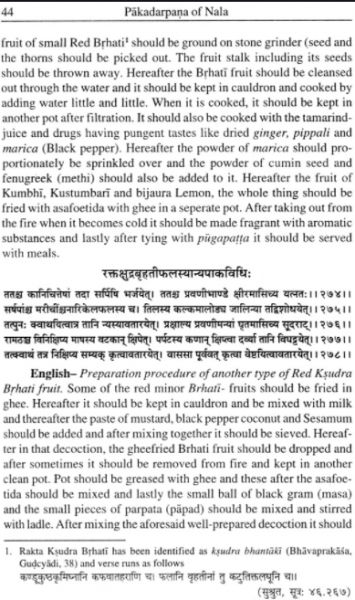
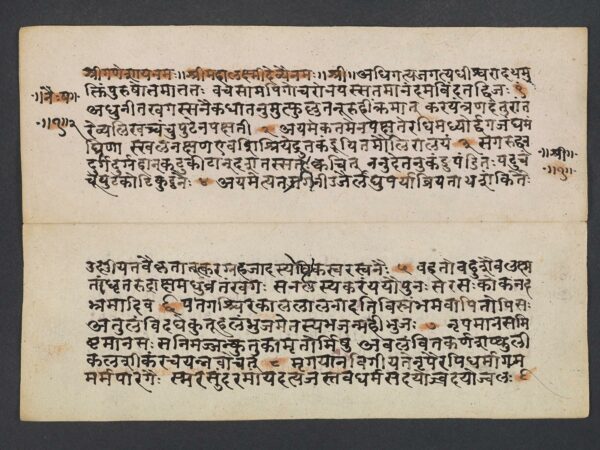
Written in Sanskrit, The Paaka Darpana, contains 761 slokas (traditional Sanskrit poems) and is divided into 11 chapters.
The book consisted of a few major sections, including the essentials that every kitchen should know (from preservation to curd preparation), drinks, snacks, appetisers, the main meal and of course, desserts. The first 2 to 3 chapters of this book describe the art of cooking.
The division of labour
Nala describes the various qualities of a sous chef (sooda) and head chef (soodaraat). Alongside this, he also describes the qualities of a proper waiter.
The waiter was said to be a fulfiller of culinary desires. He also insisted on the cleanliness of the hands and feet of the waiter at meals (parivesaka). The waiter was asked to be familiar with the timing of the meals of the guests.
Nala then outlines the work discussing various aspects of food taxonomy, dividing his work into 16 aspects: boiled rice (odana), pulses/broths (soopa), curries (vyanjana), meat (maamsa) and vegetables (shaaka), sweets, beverages (paaneeya) and yogurt (dahi).
Food containing the sixty-three types of rasa (tastes) is factually personified as the creator of the universe. The best food is that which is devoid of eight types of impurities. Nala then goes on to describe how the guests should be treated.
The rules for hospitality
According to the book, waiters should serve the meals and food preparation in a set order.
Guests should be welcomed with a sweet beverage, either alcoholic or non-alcoholic. They then must be served with three varieties of appetisers. Next, each guest must be provided with a balance of dishes with proteins, rice and a variety of breads. According to the Paaka Darpana, a meal must end with a bowl of yogurt (as fermented foods were known to help with digestion) and a collection of sweets.
The menu for each meal was decided based on the local produce and season. For example, jaggery and sesame seeds were included in the meals during winters as it helped increase body temperature, while mangos and jackfruits were used in meals during summer.
Kings would travel from various parts of India just to experience the system that Nala had introduced and to eat his highly praised food.
This whole story could be just that; a story. However, there is a charm in believing that the system that we are so reliant on and accustomed to now could have originated from Indian mythology.


